 Image 1 of 1
Description
Every filter in your reverse osmosis system plays a supporting role to one component: the membrane. While sediment and carbon filters protect the membrane and improve taste, it is the membrane itself that does the actual work of removing dissolved contaminants from your water. When the membrane reaches the end of its service life, water quality declines even if every other filter in the system is fresh.
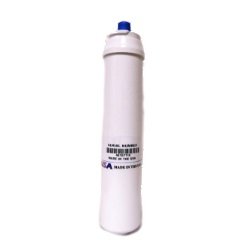
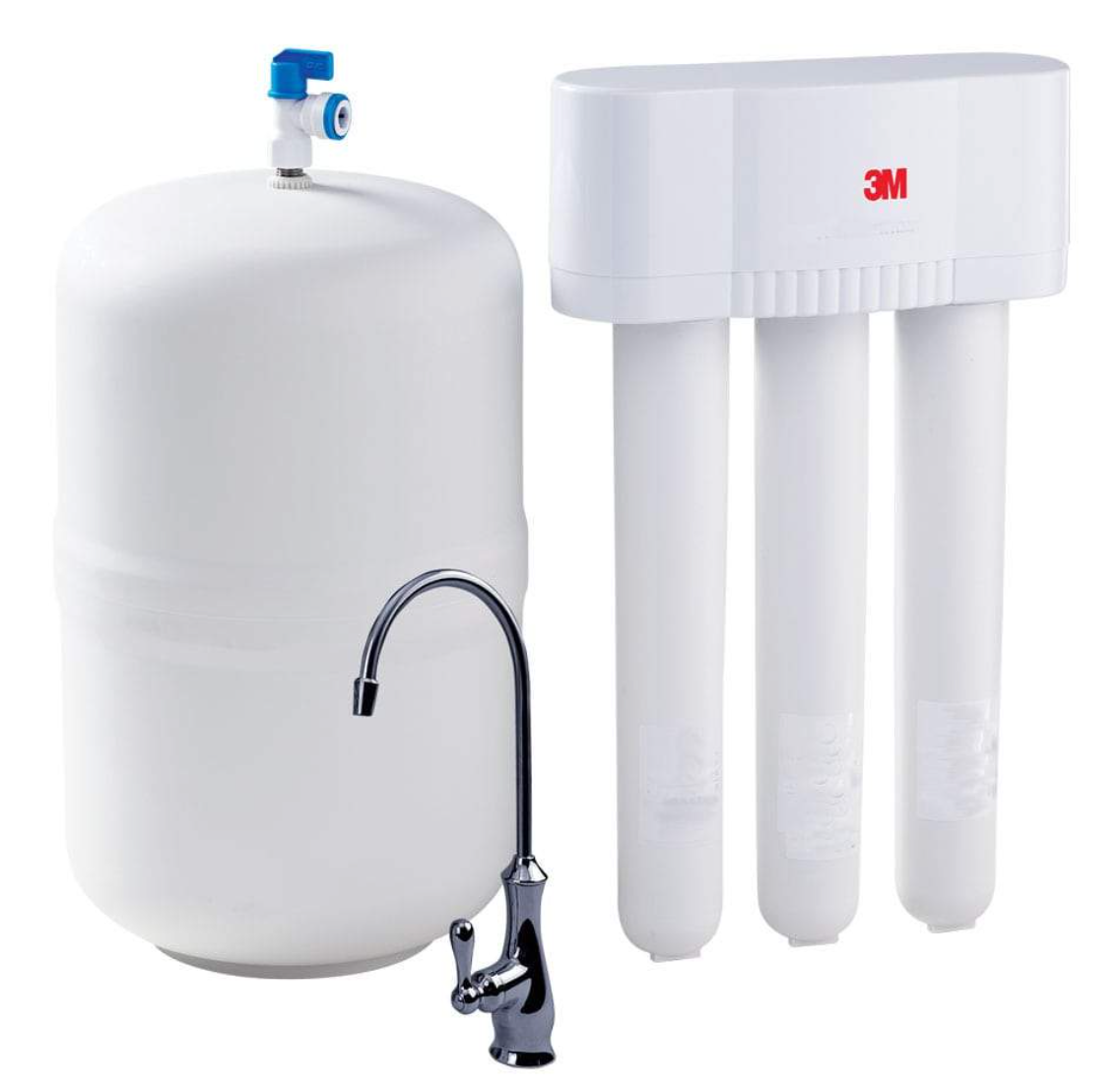
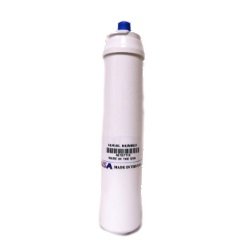
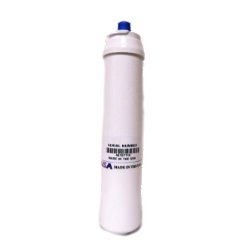
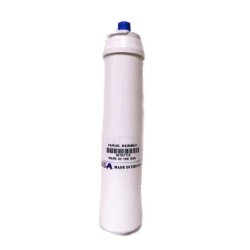
The 3MKOM is the number 3 filter in 3M reverse osmosis systems and serves as the core purification stage. It removes dissolved contaminants including total dissolved solids and lead, delivering clean, purified drinking water. Unlike the sediment and carbon pre-filters that require annual replacement, the membrane is designed for extended service and should be replaced approximately every 3 years to maintain optimal purification efficiency. It is compatible with the 3MROM413 membrane.
Specifications:
Membrane life: Up to 36 months
Application: Reverse osmosis membrane filtration, stage 3
Reduces: Total dissolved solids and other contaminants
System fit: 3M reverse osmosis systems
Function: Supports high-efficiency water purification
Compatible with:
3M reverse osmosis systems
Systems using the 3MROM413 membrane
3M multi-vessel RO units
Features
A 36-month service life means the membrane needs far less frequent attention than the annual pre-filters and post-filters surrounding it in the system.
Removing total dissolved solids and lead addresses contaminants that sediment and carbon filtration alone cannot capture.
As the number 3 stage, the membrane relies on properly functioning upstream filters to perform at its rated capacity, which is why pre-filter maintenance directly affects membrane longevity.
Compatibility with the 3MROM413 membrane makes sourcing the correct replacement straightforward when service is due.
Frequently Asked Questions
-
The 3-year recommendation is a general guideline based on typical residential usage patterns. Membranes are affected by both time and the total volume of water processed, so a household with unusually high RO water consumption may see reduced membrane performance somewhat sooner than the 3-year mark. If your household uses significantly more RO water than average, monitoring water taste and clarity as you approach the recommended interval is a reasonable practice.
-
A noticeable decline in water taste or clarity before the 3-year mark, especially if pre-filters have been replaced on schedule, can indicate early membrane failure rather than expected end-of-life wear. Membranes can occasionally fail prematurely due to a pressure spike, a manufacturing defect, or exposure to chlorine if an upstream carbon filter failed. If symptoms appear well ahead of the typical 3-year interval, inspect upstream filters first before assuming the membrane itself is at fault.
-
Yes. New RO membranes typically require an initial flush before producing water suitable for drinking. This usually involves running the system through one or more fill-and-drain cycles with the tank, discarding the first tank of water rather than using it. This break-in period clears manufacturing residue and allows the membrane to reach full operating performance.
-
RO membranes are generally not designed for at-home cleaning and reuse in residential systems. The fine semi-permeable material that performs the filtration is easily damaged by improper cleaning attempts, and any damage compromises the membrane's ability to reject dissolved contaminants. Replacement on the recommended schedule is the standard and reliable approach for residential systems.