 Image 1 of 1
Description
Every reverse osmosis system is only as good as its weakest stage, and for well water applications, that weak point is often sediment. Dirt, rust, and particulate matter that enter the system unfiltered settle into carbon filters and foul the RO membrane, shortening the life of both and degrading water quality over time.
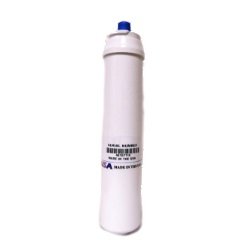
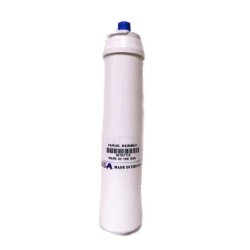
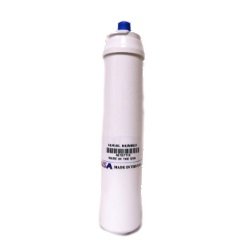
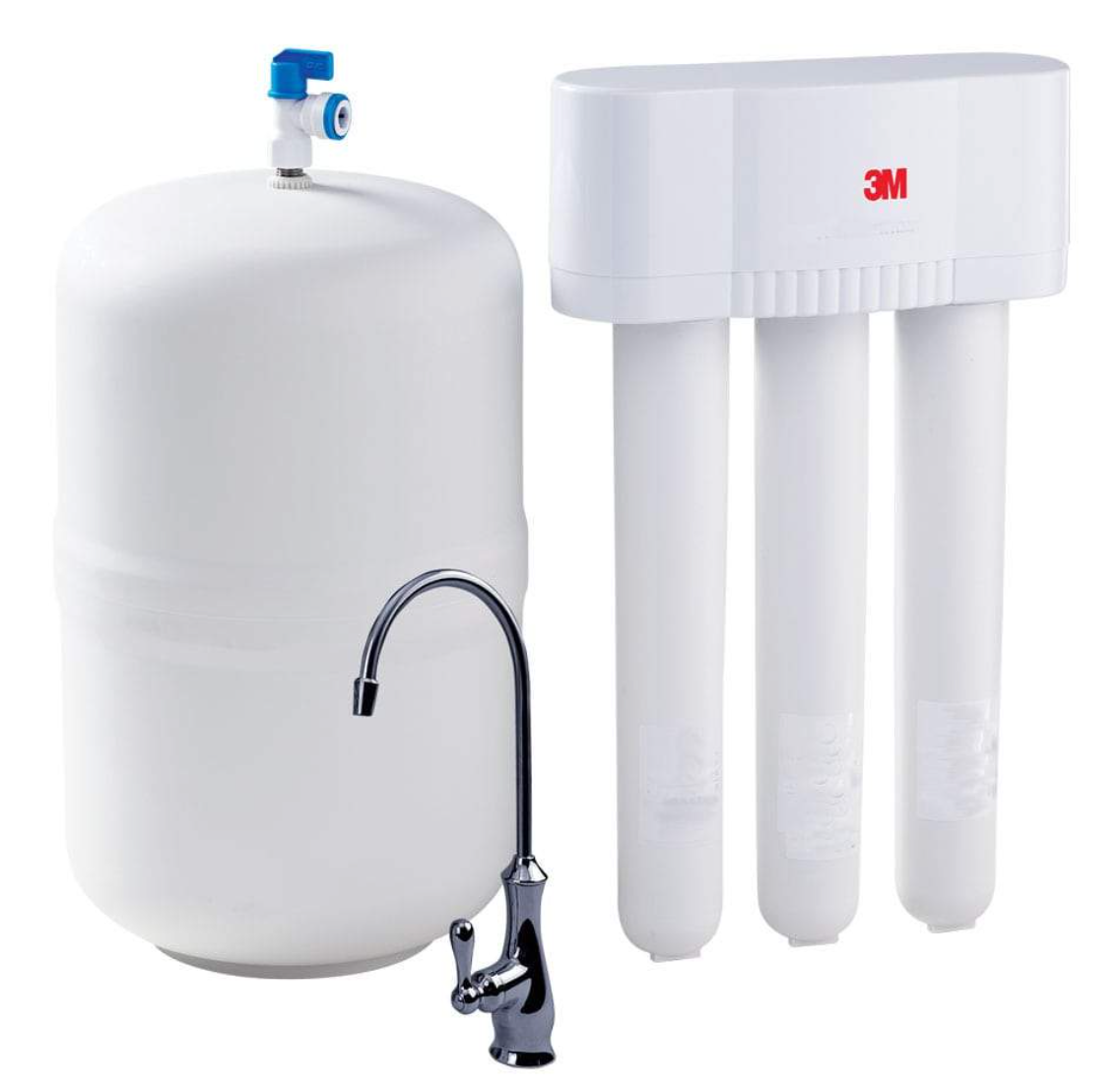
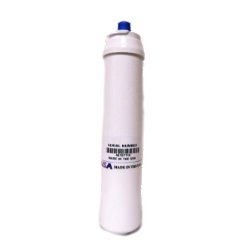
The 3MKOSED is a dedicated sediment pre-filter that serves as the number 1 stage in 3M 3 and 4-vessel reverse osmosis systems. It is required in all 4-vessel units and is the standard choice for 3-vessel systems running on well water, where particulate load is typically higher than in municipal supply. By capturing dirt and sediment before water reaches the carbon and membrane stages, the 3MKOSED extends the service life of every filter downstream. It is compatible with the 3MROP411 filter.
Specifications:
Filter life: Up to 12 months
Application: Sediment pre-filtration, stage 1
Reduces: Dirt, rust, and particulate matter
System fit: 3M multi-vessel RO systems
Function: Protects downstream filters and membrane
Compatible with:
3M 3-vessel RO systems (well water applications)
3M 4-vessel RO systems
Systems using the 3MROP411 filter
Features
As the first stage in the system, the 3MKOSED determines the baseline water quality that every downstream filter has to work with.
Removing sediment before the carbon stage prevents particulate buildup that would otherwise reduce carbon filter capacity and shorten its service life.
Required use in 4-vessel systems and well water 3-vessel setups makes the 3MKOSED a non-optional component for those configurations rather than an upgrade.
Compatibility with the 3MROP411 filter simplifies sourcing the correct replacement part.
Frequently Asked Questions
-
A drop in water flow rate at the faucet is the most common early sign. Sediment filters trap particulate physically, and as that material accumulates, it restricts water flow through the cartridge. If you notice reduced pressure at the RO faucet and your tank is properly pressurized, inspect the sediment filter, especially if your water source has higher than average particulate content.
-
Not necessarily on a fixed schedule, but well water with high turbidity, iron content, or seasonal runoff can load the sediment filter faster than typical municipal water. If your well water quality varies seasonally, such as after heavy rain, you may notice flow rate changes that suggest checking the filter ahead of the standard 12-month interval.
-
A heavily used sediment filter typically shows visible discoloration, often brown or gray, and may feel firmer or more compacted than a new cartridge. However, visual inspection alone is not always reliable since fine sediment can clog a filter internally without dramatic surface discoloration. Flow rate and time in service are more dependable indicators than appearance alone.
-
A fully clogged sediment filter primarily restricts flow rather than allowing contaminants through, since particulate is captured mechanically. However, severe restriction can cause uneven pressure across the system, which in some cases stresses fittings and connections over time. Replacing the filter before it becomes fully clogged avoids placing that strain on the rest of the system.