 Image 1 of 2
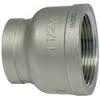 Image 2 of 2
Description
Inside your Triple O ozone system, every connection in the ozone line must hold under continuous ozone exposure and water contact. Standard pipe fittings made from lower-grade materials corrode quickly in this environment, leading to ozone leaks, degraded ozone delivery, and premature replacement. A failing bell reducer between the barb fitting and diffuser breaks the ozone path and compromises your entire treatment process.
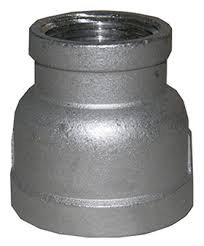
The WT108 is a stainless steel 3/8" x 1/4" bell reducer designed to connect the barbed tubing fitting to the ozone diffuser in Triple O systems. The reducer steps down from the 3/8" barb fitting to the 1/4" threaded diffuser port, creating a tight, leak-resistant connection that maintains consistent ozone flow. Stainless steel construction resists the corrosion and rust that shorten the service life of standard fittings under continuous ozone and water exposure, giving the WT108 a significantly longer service life than lower-grade alternatives.
Specifications:
Size: 3/8" x 1/4" bell reducer
Material: Stainless steel
Application: Barbed fitting to diffuser connection
Construction: Corrosion and rust resistant
Thread: 1/4" diffuser port, threaded connection
Operation: Continuous duty ozone and water exposure
Compatible with:
Triple O ozone water treatment systems
3/8" barbed tubing fittings to 1/4" diffuser port configurations
Residential well water ozone systems
Features
The WT108 is machined from stainless steel, providing strong resistance to corrosion and rust under continuous ozone and water exposure.
Its ozone-resistant fitting material prevents the fitting degradation that shortens the service life of standard metal or plastic alternatives.
The 3/8" x 1/4" reducer bushing profile steps down cleanly from the barbed tubing fitting to the diffuser port for a secure, leak-resistant connection.
Threaded pipe fittings on the diffuser port end maintain a tight seal even after extended continuous-duty ozone system operation.
The WT108 maintains consistent ozone flow through the diffuser assembly, supporting effective oxidation of iron, sulfur, and other well water contaminants.
Frequently Asked Questions
-
The WT108 sits between the barbed tubing fitting and the ozone diffuser. The 3/8" end connects to the barb fitting coming from the ozone line, and the 1/4" end connects to the diffuser port via a threaded pipe fitting connection. It bridges the size difference between these two components and maintains a secure, leak-resistant ozone path.
-
Ozone is a powerful oxidizer, and standard metals corrode quickly when exposed to it continuously. Stainless steel resists this oxidation, meaning the WT108 maintains its structural integrity and sealing capability far longer than fittings made from lower-grade materials. In a continuous-duty ozone system, the difference in material quality translates directly into fewer reducer replacements and more reliable performance.
-
The WT108 is designed for Triple O ozone systems that use a 3/8" barbed fitting to 1/4" diffuser port connection. If your system uses a different fitting size or diffuser port configuration, verify dimensions before ordering. Contact us if you are unsure about compatibility with your specific Triple O model.
-
Inspect the WT108 if you notice ozone smell near the diffuser assembly, reduced bubble activity in the tank, or visible corrosion or cracking on the fitting. Fitting degradation on the bell reducer breaks the sealed ozone path and reduces ozone delivery to the diffuser. Given its low cost relative to the components it protects, replacing a suspect reducer bushing is always the right call.
![Triple O Air Pump 120v. [GOOD] TOA101](https://images.squarespace-cdn.com/content/v1/6300fa0380845d4d49be7409/1704404932265-INLWJ5LEWGRJ899OPZU9/website+pics+triple+O+original+air+pump+2.png)

![Compatible Triple O Lamp [BETTER] WLH101](https://images.squarespace-cdn.com/content/v1/6300fa0380845d4d49be7409/1662760224323-TH3LB2JXNVSI8R7MUZEK/WLH101.png)